Faith shaping Social Change
Faith, Religion, and the Machinery of Social Change
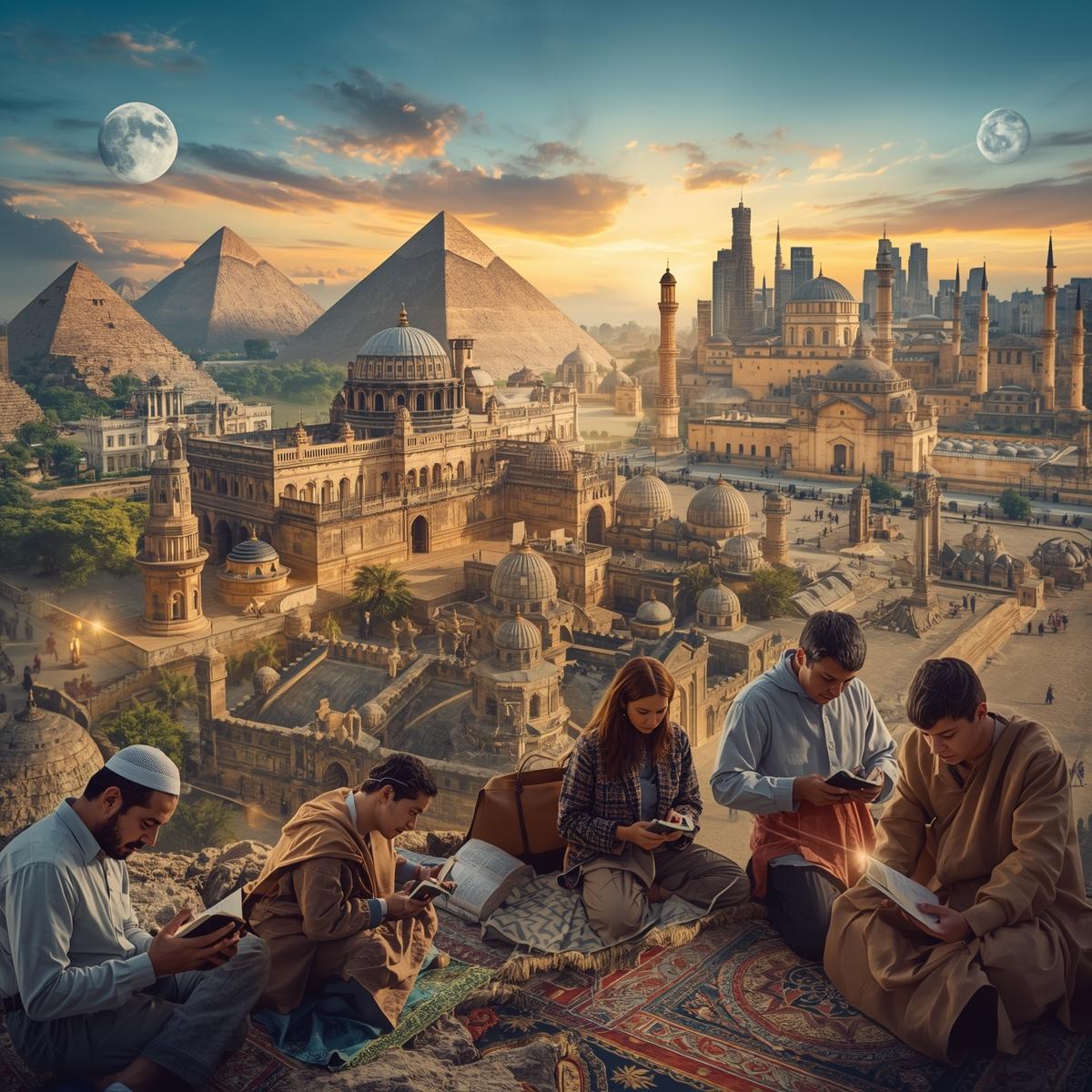
Religion has been one of the most powerful forces in human history—an engine driving civilizations, revolutions, art, science, and war. It has inspired compassion and cruelty, unity and division. To understand how societies have evolved, you can’t ignore religion’s deep imprint on the social landscape. Across centuries, different faith traditions have both built and broken the world we live in today.
But before we trace those effects, we need to make a key distinction—religion and faith are not the same thing.
Religion is the structure: a system of beliefs, rituals, texts, hierarchies, and institutions. It’s the scaffolding that organizes spiritual life into something communal and repeatable. Faith, on the other hand, is the personal conviction that fuels it—the inner drive, the emotional and moral energy that gives religion life. If religion is the machine,faith is the fuelthat keeps it running.
Faith vs. Religion: The Inner vs. the Institutional
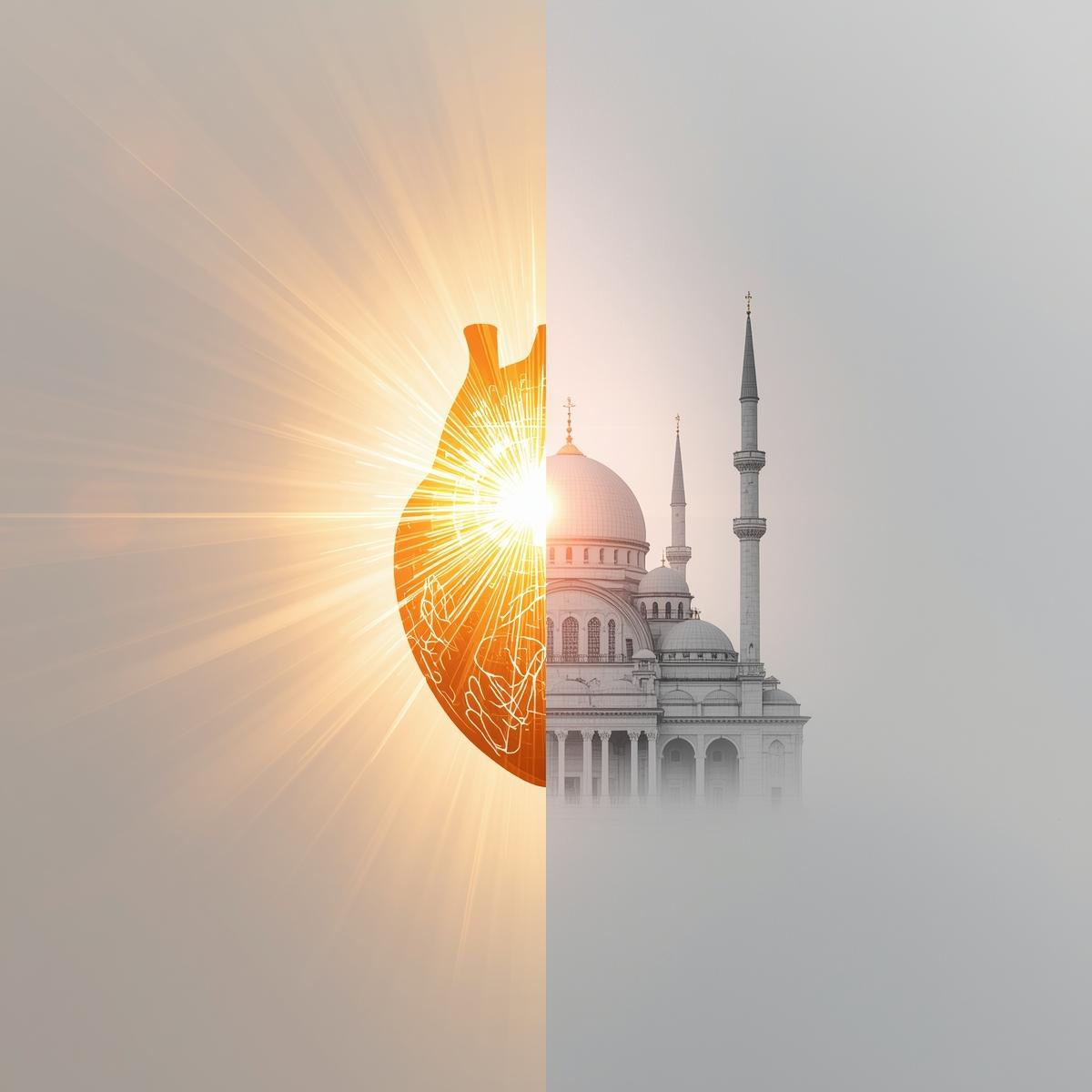
Faith is raw and personal. It’s what moves people to sacrifice, hope, or endure. Religion codifies that emotion into rules, stories, and traditions that can be shared, preserved, and passed down. One can have faith without religion, but religion without faith becomes hollow—a routine stripped of meaning.
This distinction matters, because many of the social transformations tied to religion didn’t come from institutions themselves, but from the faith of individuals or movements within them. Faith has repeatedly reignited stagnant religions, sparked reform, and sometimes burned the old systems down to build new ones.
Religion as a Catalyst for Social Change
1. The Birth of Moral Codes
In early civilizations, religion helped define moral boundaries and social cohesion. Ancient Egyptian beliefs about Ma’at (truth, balance, justice) shaped governance and daily life. In Mesopotamia, the Code of Hammurabi linked divine authority to social order. These systems didn’t just dictate worship—they established early frameworks for justice, fairness, and collective responsibility.
Religions served as moral compasses before secular ethics or legal systems existed. They answered the fundamental human question: “How should we live?” And for centuries, that moral authority kept societies stable and communities united.
2. Compassion as a Social Force
Fast forward to the rise of the world’s major religions—Judaism, Christianity, Islam, Buddhism, and Hinduism—and we see an evolution from social order to social conscience.
Buddhism challenged class hierarchies and the pursuit of material power, spreading the idea that compassion and mindfulness could change the world from within. Christianity emphasized love for the poor, forgiveness, and equality before God—ideas that would later underpin modern human rights and social welfare.
Islam, emerging in 7th-century Arabia, transformed fragmented tribes into a united community (the Ummah) under the ideals of justice, charity (Zakat), and shared accountability. Hindu reform movements like the Bhakti and later Arya Samaj challenged rigid caste divisions and revived spiritual egalitarianism.
These weren’t just theological evolutions—they were social revolutions.
3. The Church, the Reformation, and the Rise of Individualism
By the Middle Ages, Christianity had become Europe’s dominant institution—both a stabilizer and an oppressor. The Church unified kingdoms and preserved knowledge through monasteries, but also sanctioned inquisitions, crusades, and censorship. Religion had fused with political power.
Then came Martin Luther in the 16th century, nailing his theses to the church door and setting off the Protestant Reformation. His rebellion wasn’t just a theological debate—it was a declaration of individual spiritual autonomy. People no longer needed a priest to access God; faith alone was enough.
That shift cracked the foundations of religious and political authority, paving the way for modern concepts of freedom, literacy, and democracy. The Protestant emphasis on personal interpretation of scripture fueled education and printing. Out of the Reformation came not just new denominations, but a whole new social order built on the dignity of the individual.
4. Religion and the Fight for Justice

In the 18th and 19th centuries, religious conviction became a weapon against oppression. The abolitionist movement in Britain and America was powered by Christian faith—William Wilberforce, Harriet Beecher Stowe, and Frederick Douglass all rooted their activism in the belief that slavery was a moral abomination before God.
In India, reformers like Raja Ram Mohan Roy and Swami Vivekananda drew on Hindu philosophy to fight against social injustices like sati and caste discrimination. In the 20th century, Mahatma Gandhi’s use ofahimsa(nonviolence) andsatyagraha(truth-force) redefined resistance—melding faith, ethics, and politics into a movement that would inspire Martin Luther King Jr. and Nelson Mandela.
Across continents, religion became a rallying cry for human dignity and liberation. Faith wasn’t passive; it was revolutionary.
Religion as an Agent of Control
But the same structures that birthed compassion and justice have also justified domination and violence. The Crusades, colonialism, witch hunts, and genocides remind us that religion can be weaponized when faith turns into fanaticism.
Religious institutions often protected power rather than challenged it. They endorsed slavery, silenced women, and punished dissent. In many societies, religion became a gatekeeper of privilege—deciding who was pure, who was saved, and who deserved to speak.
The negative side of religious influence usually arises when the system outgrows the spirit—when the machine runs without fuel. Dogma replaces devotion. Control replaces compassion. Faith, once the lifeblood, becomes secondary to obedience.
That’s when religion stagnates—and societies begin to question its legitimacy.
The Modern Era: Faith Beyond Religion

In the 21st century, we’re watching a new shift. Institutional religion is declining in many parts of the world, but spirituality isn’t disappearing—it’s diversifying. People are reinterpreting ancient teachings through modern lenses: mindfulness from Buddhism without the monastery, Christian charity without the Church, Islamic ethics without clerical authority.
Social change today often echoes religious roots even when it’s secular. Environmentalism, for instance, borrows from the spiritual idea of stewardship—care for creation. Movements for racial justice, equality, and human rights still speak the language of moral duty and compassion that religion first introduced.
We may be entering an age wherefaith transcends religion—where the energy that once fueled temples and churches now drives activism, art, and global ethics. The form has changed, but the flame remains.
So, Is Faith the Fuel?

If religion is a system—a structure built to sustain belief—then yes, faith is absolutely the fuel that keeps it alive and active. Without faith, religion is architecture without purpose. Without religion, faith is unorganized energy—powerful, but fleeting.
When both align, they can transform societies. When they split, one risks rigidity, the other chaos.
The story of human progress shows that faith—whether in God, justice, or humanity—has always been the spark behind change. Religion gives that spark shape and continuity. Together, they’ve written the moral, political, and cultural evolution of our species.
The challenge now is keeping the balance: preserving the system without smothering the spirit, and protecting the faith without losing the reason. Because as history shows, every time faith reignites meaning within religion, the world moves forward.
Enjoyed this article?
Sign-up for my Newsletter: https://www.oliviagrace.co.za/newsletterand stay in the know with the latest blog article, literary news and book promotions.
About Olivia Grace
I'm Olivia Grace—an author, proofreader, book formatter and self-publisher based in South Africa. I help writers, bloggers, professionals and thought leaders transform their ideas into professionally published articles and books that they can be proud of.
Explore my Publishing services:https://www.myliterarylounge.co.za
Whether you're writing your very first manuscript or preparing your next publication, I'd love to help you bring your vision to life.
As a self-publishing Author, I enjoy using my writing as a platform for good news, encouragement, and awareness.
Explore my books: https://www.oliviagrace.co.za/books
I would love to hear from my readers and subscribers on any Literary topic or question.
Send me a message: https://www.oliviagrace.co.za/contact
For real-time updates and developments in my literary corner of the world:
Follow me on the Socials: Instagram; Facebook
Thank you for visiting. I appreciate every reader who takes the time to explore my work, and I hope to see you again soon.
© Olivia Grace. All rights reserved.
Privacy Policy | Terms & Conditions |